|
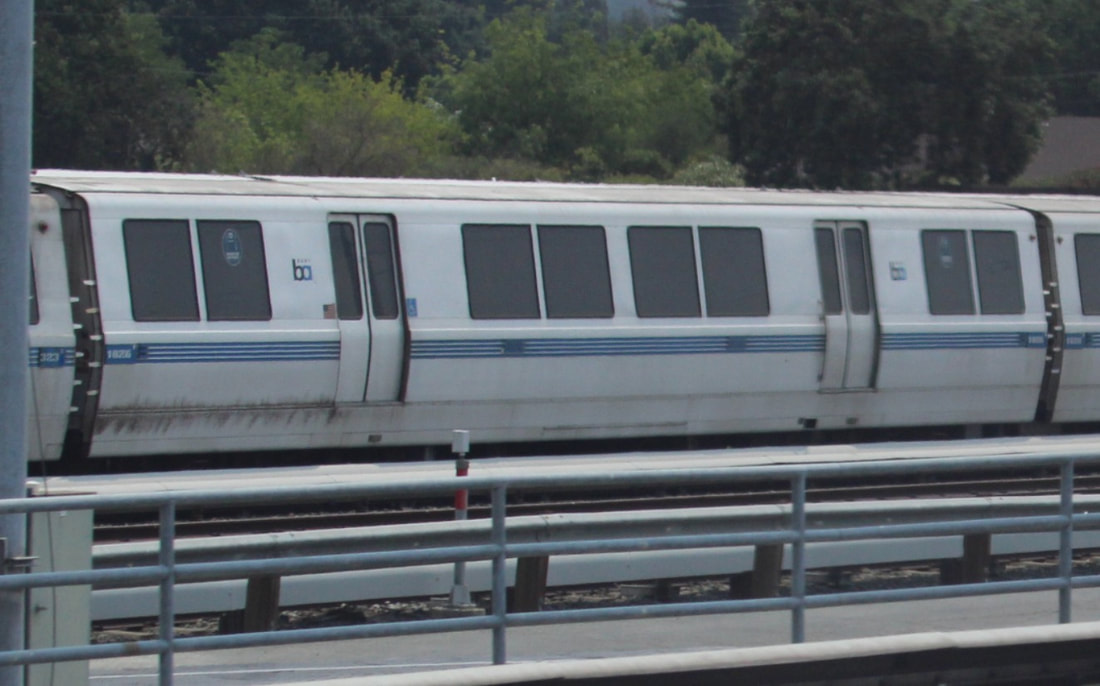
B2 Car 1806 is, on first look, just any old B car. It runs in the middle of trains, and seats 53 people. It has a few smells and a few bulbs are out. Underneath all that, B2 car 1806 is one of many historic BART cars. The 1806 was originally built by Rohr as A car 117. It was among the first two dozen BART legacy cars built. It was built in Chula Vista, CA, and delivered to BART's Hayward Yard on 5/16/1972. It was used for pre-revenue testing of the BART system, and entered service on BART's opening day, Septmeber 11, 1972. By the 1980s, many A cars were worn out and/or damaged. BART was a new railroad and in some ways, still learning the ropes - there are accounts of runaway cars, collisions, and fire damage during these early days. Car 117, alongside 34 other A cars, were destined to become B cars. The unique design of the A cars facilitated such conversion (which was miles cheaper and faster than building new B cars). A car 117 became B car 806 in about late 1980. The "new" 806 rolled in service until its midlife refurbishment in 2001. As a product of the refurbishment, B car 806 became B2 car 1806. The 1806 is still in service, far beyond the original intention of its designers. This old car will probably be scrapped this year or next year, but if anything, it has carried the millions through thick and thin for over 50 years.
0 Comments
BART was not one to miss the bicentennial celebration; they replaced the front logo of about a dozen A cars with the official Bicentennial Logo, along with smaller versions of the same logo on the sides below the Y end car number. It wasn’t to the extravagance of many conventional railroads with their specially painted units, but it was still a nod to the 200th Anniversary of the founding of this country. Picture from Pacific News, July 1976 issue
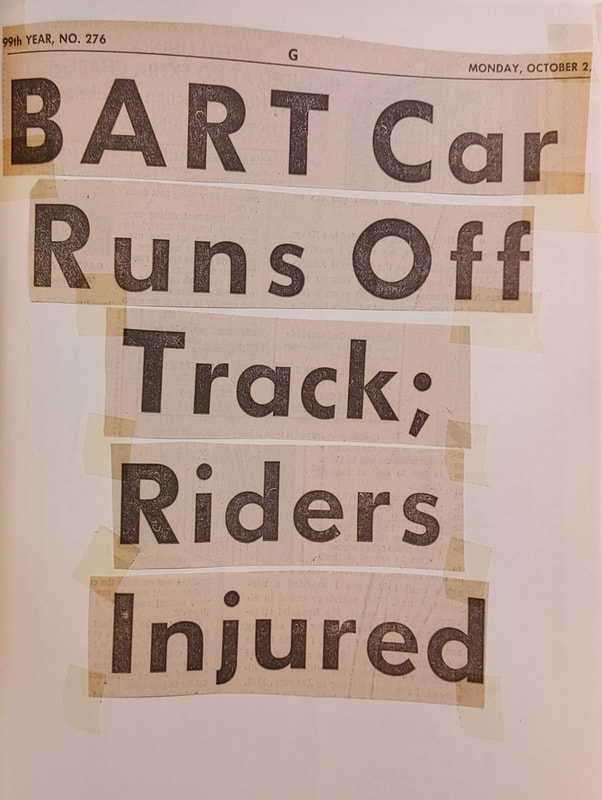
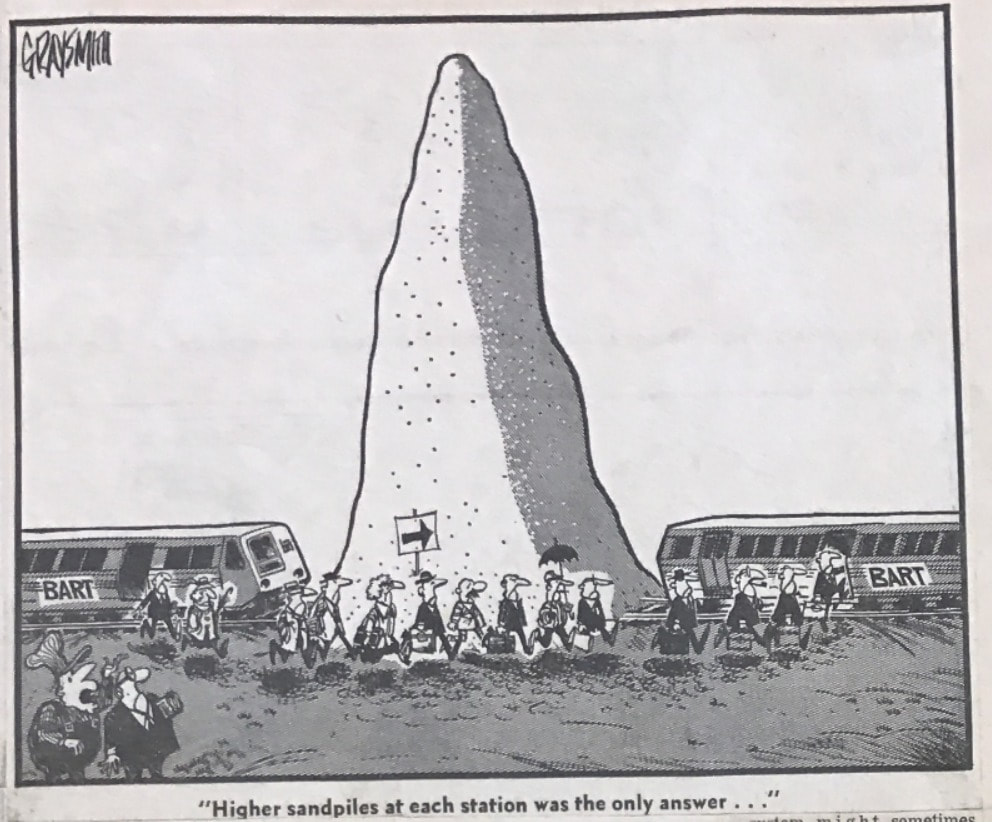
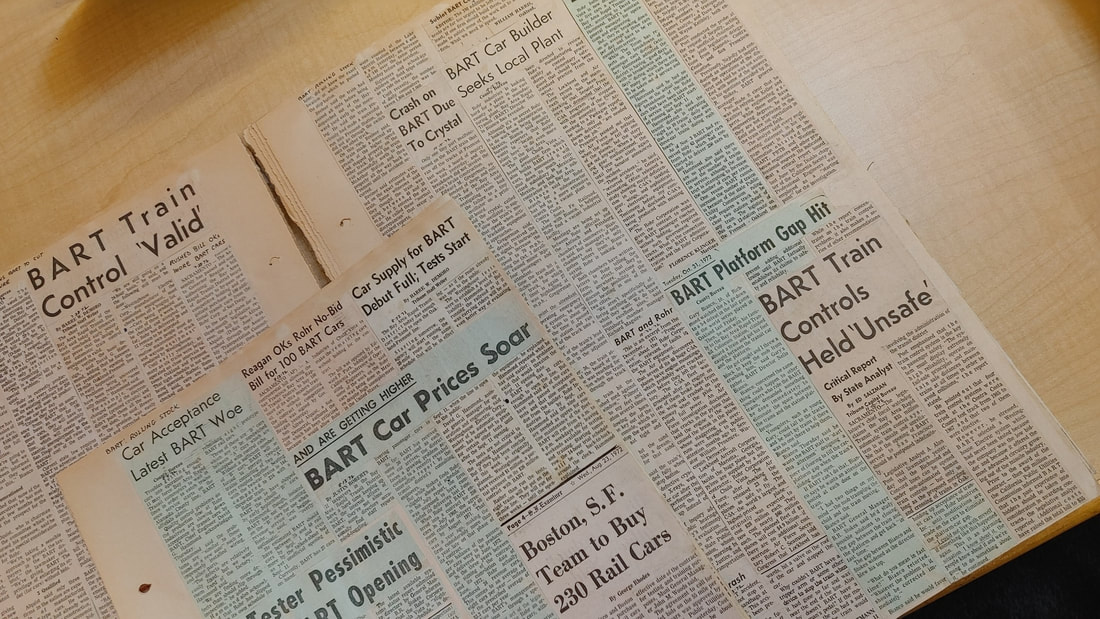
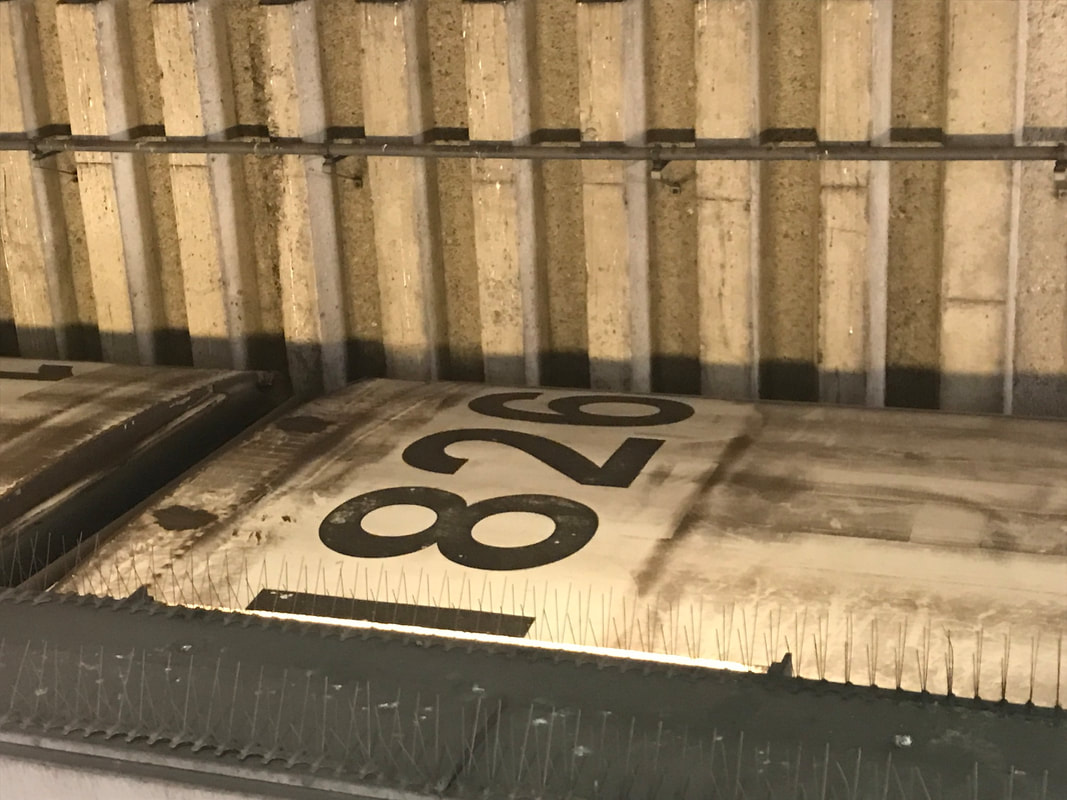
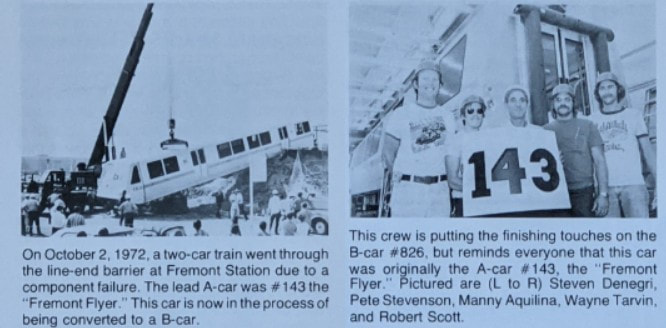
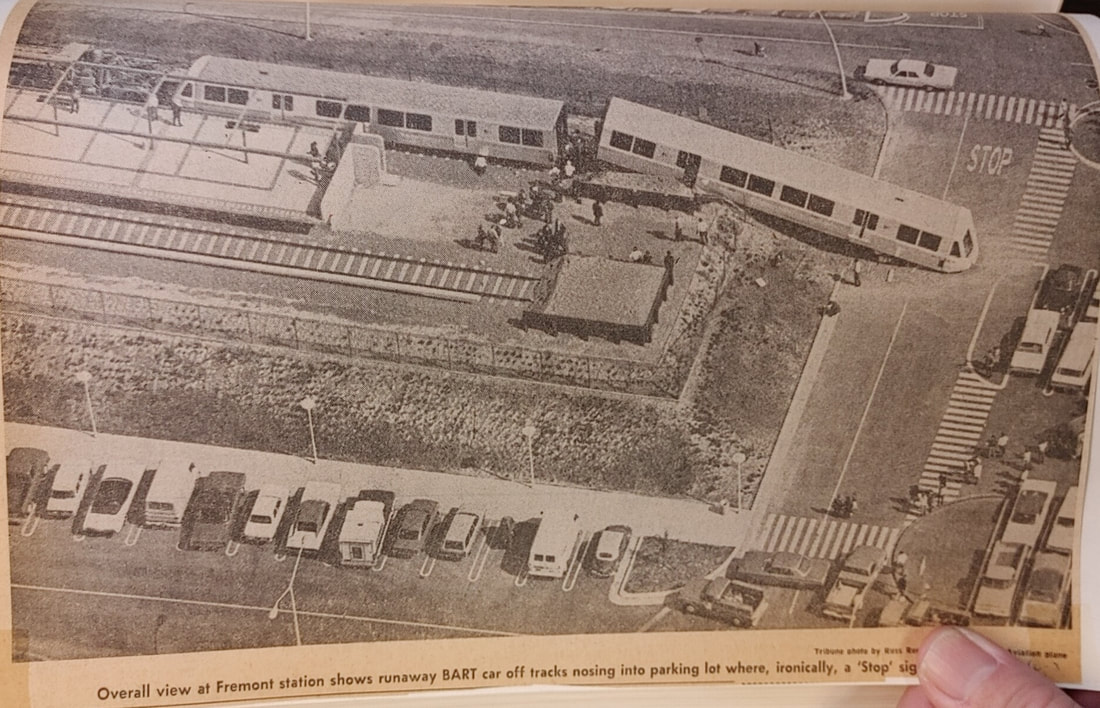
Today marks the final chapter of one of BART’s most historic Legacy Cars: the Fremont Flyer. The Fremont Flyer was originally known as A car 143, the 48th car off of the Rohr assembly line in Chula Vista, CA. The car was delivered to Hayward Yard on August 31, 1972, less than two weeks ahead of BART’s opening day, and underwent testing to ensure the car was ready for revenue service – or so it was thought. The shiny new 143 entered revenue service on October 2, 1972, filling in for two broken down trains. Dispatched as Train 307, a short two car train with A cars 143 and A car 118 – the latter was a “Day One veteran” – headed south from Hayward Yard to Fremont station (143 leading), thence to MacArthur (118 leading), the northern terminus at the time. Train 307 then headed south to Fremont. While approaching the A85 interlocking just north of Fremont station, the train received a 27-mph speed code – one of eight discreet speed codes on the BART ATC system – to ensure the train would safely cross over from track 1 to track 2 and stop within the platform. Unbeknownst to anyone on the train, a tiny yet faulty crystal, controlling an oscillator on a printed circuit board, incorrectly decoded the speed code to mean the train should speed up to almost 70 mph – which it achieved. Crossing over the A85 interlocking at 66 mph, the train attendant recognized something was amiss and did all that was possible to stop the train (including pressing the stop button so hard he broke the mounting and pushed it through the console). Even then, the braking was inadequate; the train sped through the center of platform 2 at 42-50 mph and impacted the sandpile at about 26-33 mph (sources debate speeds), continued and landed in the parking lot – short of a stop sign. Injured riders and the train attendant were rushed to the nearby Washington Hospital. The accident brought national attention to the safety of BART, alongside significant changes to carborne ATC equipment and changes across the system. Such changes included, but were not limited to, additional circuitry to ensure the decoding of the correct speed code, alongside the addition of wayside markers showing where a train should start braking and the maximum speed. Years of revisions and refinement to the ATC system following the Fremont Flyer incident has made BART a safer system for all who ride it. A car 143 never carried another paying rider but it found a new life as a B car. In fact, the damage was severe enough for the BART forces to recommend salvaging parts and scrapping the car. Fortunately, BART engineering know-how was on its side and the 143 was repairs and converted into B car 826 by Hayward Shop forces by the end of 1981. It then rolled again, this time as a standard B car for about 20 years. As part of the A and B car refurbishment of the A and B cars during the turn of the century, B car 826 was rebuilt and renumbered into B2 car 1826. In its final years, it was assigned to Concord yard and seen in the middle of long Yellow line trains. After this major incident, but then a successful repair and conversion, old 143 carried thousands of passengers millions of miles. BART is currently replacing their Legacy Cars with the Fleet of the Future cars. The Fremont Flyer was no exception to this, and after 50 years since it first entered revenue service, this car was decommissioned. BART forces also recognized the historical importance of this car, and invited Western Railway Museum volunteers to preserve artifacts from this car for posterity and for use in the future Rapid Transit History Center. WRM volunteers were able to identify the Y end (once cab end) exterior and interior number plates, the ADtranz rebuilding plate (c. 2001), and a seat. These artifacts will help tell us tell the story of one of the most historic transit vehicles of the BART legacy fleet. This article was written by ATP Transit for the Western Railway Museum.
The latest car number plate added to the collection comes from (what was once) car 1902. Like all 1800s and 1900s B2 cars, the 1902 was formerly an A car. In this case, 1902 was A car 189 (pictured), and delivered from Rohr in 1973, entering service in 1974. In 1999, ADTranz rebuilt this A car into a B2 car, and it rolled in revenue service until its scrapping back in January of this year. Number plate purchased from BART via Railgoods. Final resting place of part of 1902 - cherished part of the ATP Transit BART collection.
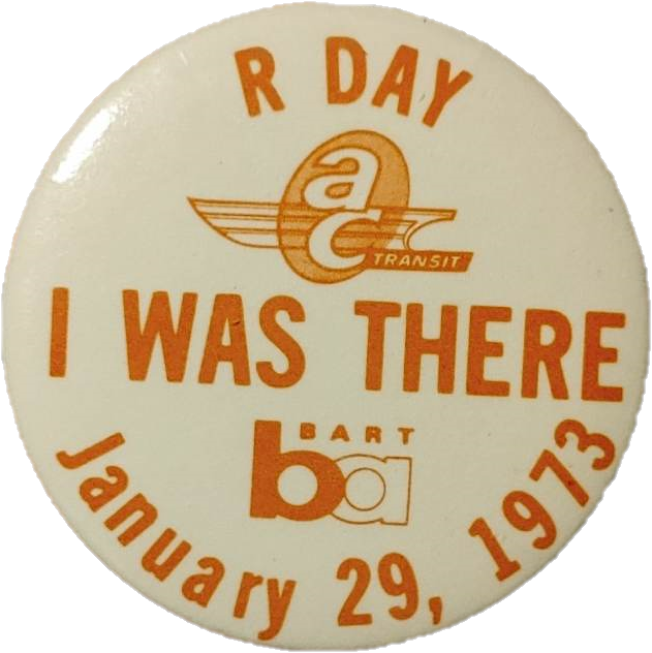
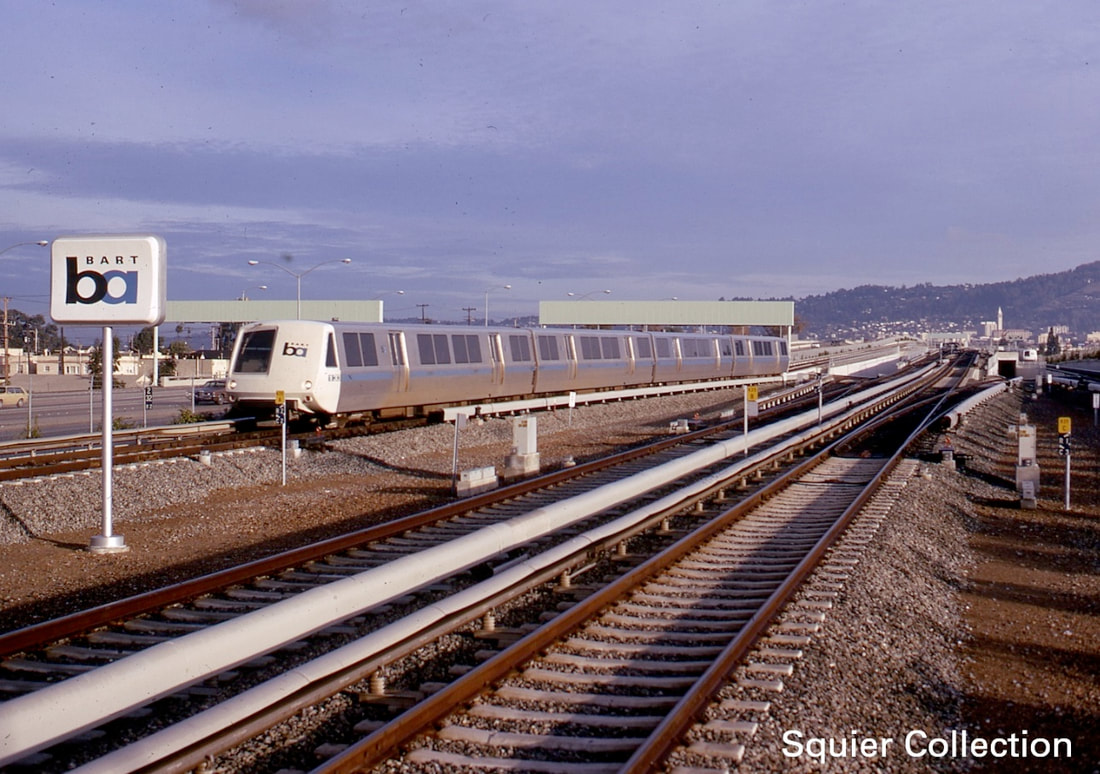
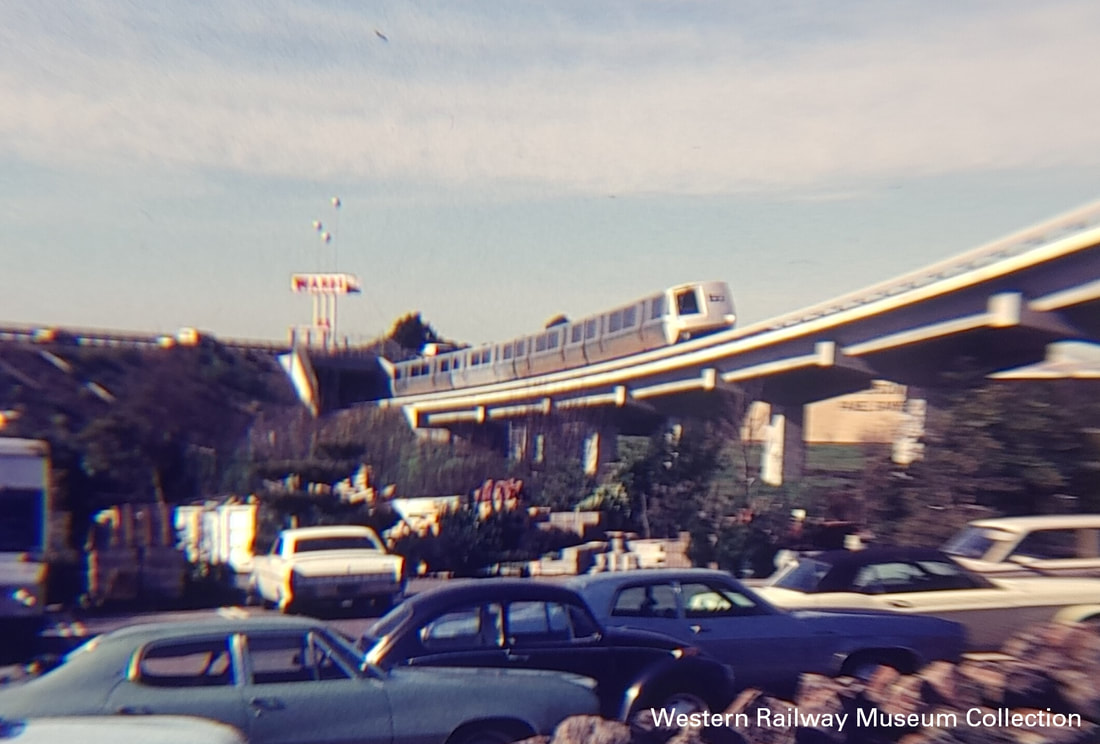
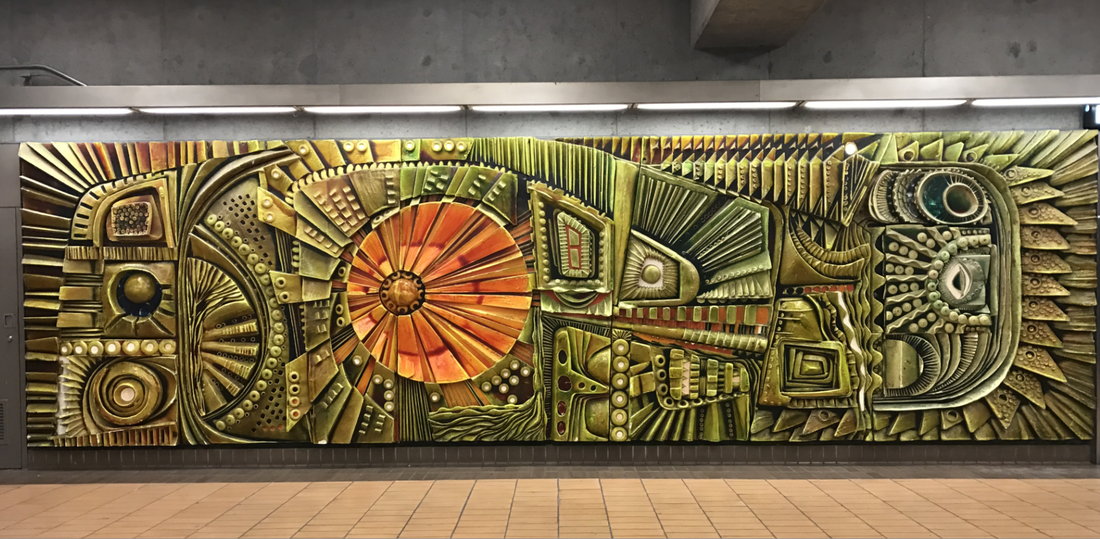
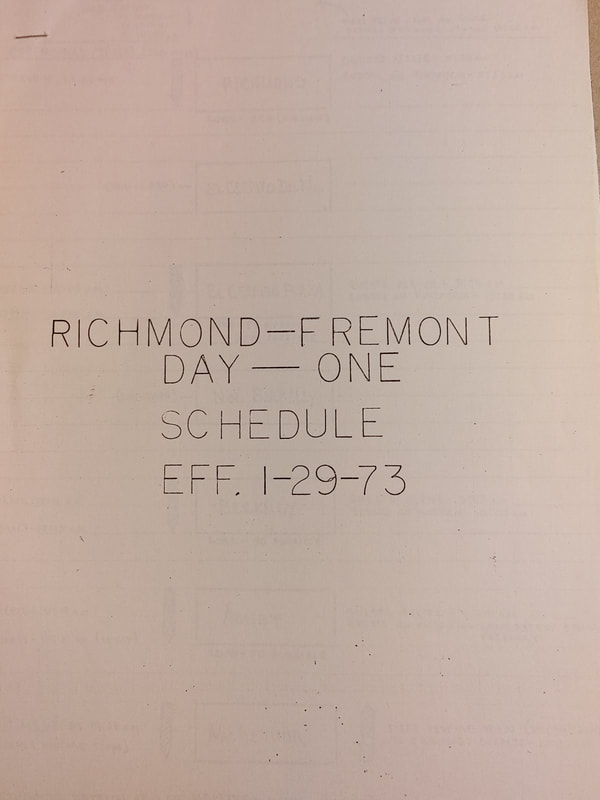
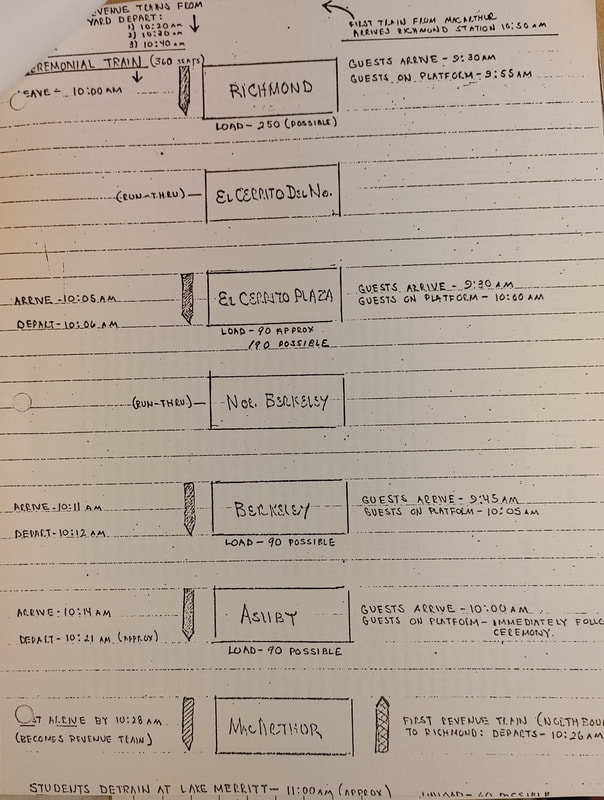
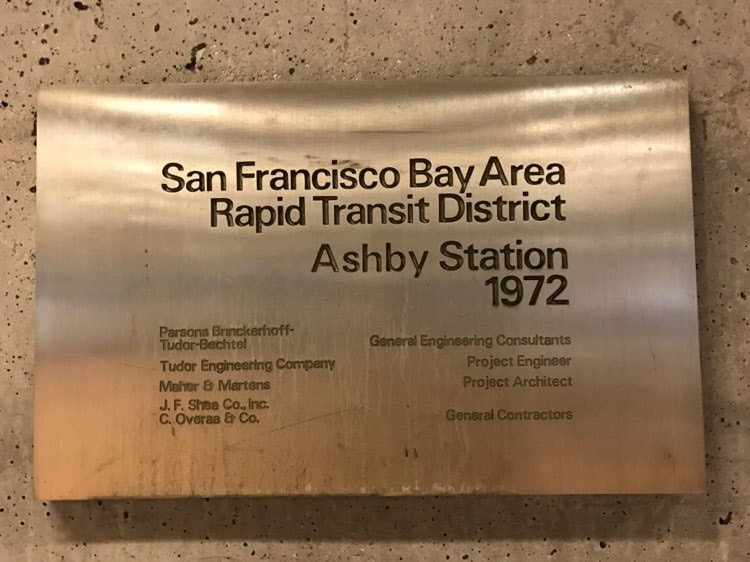
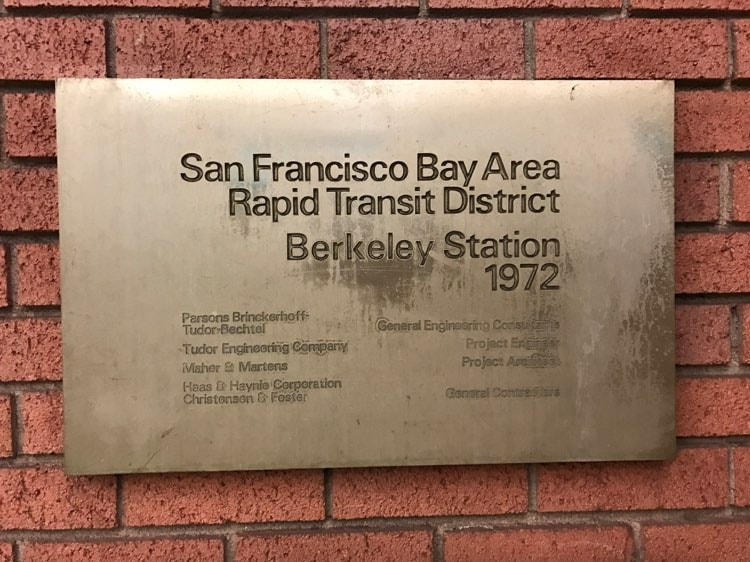
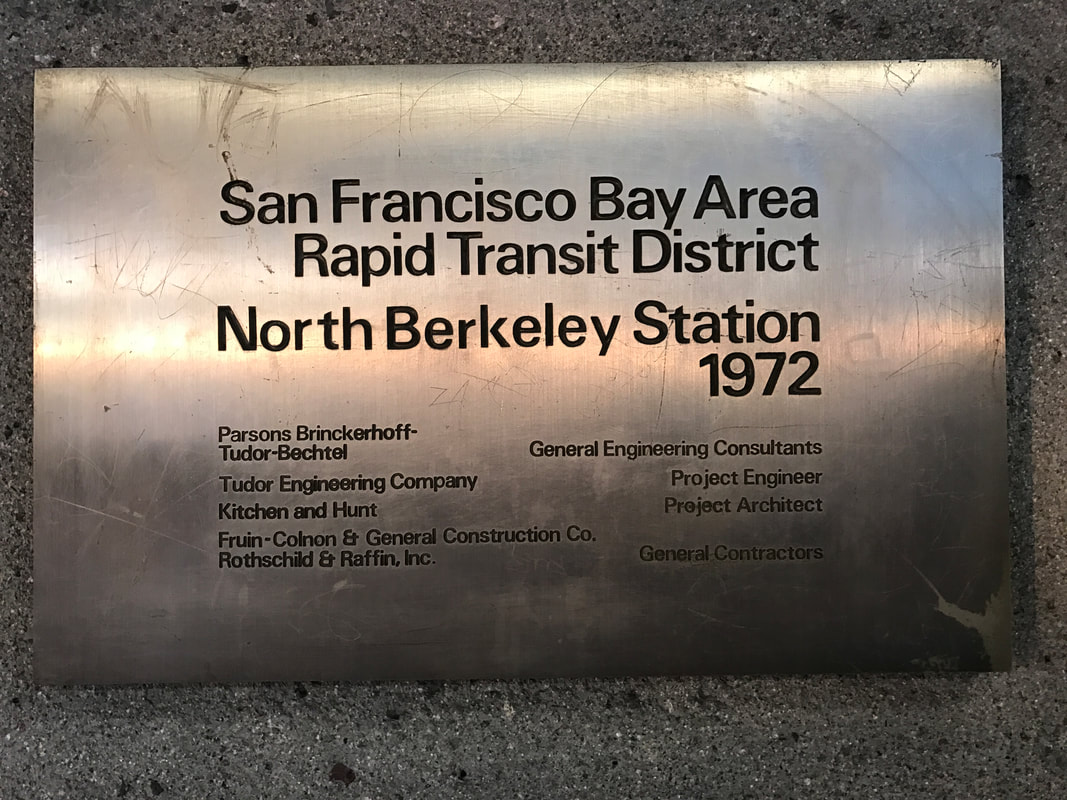
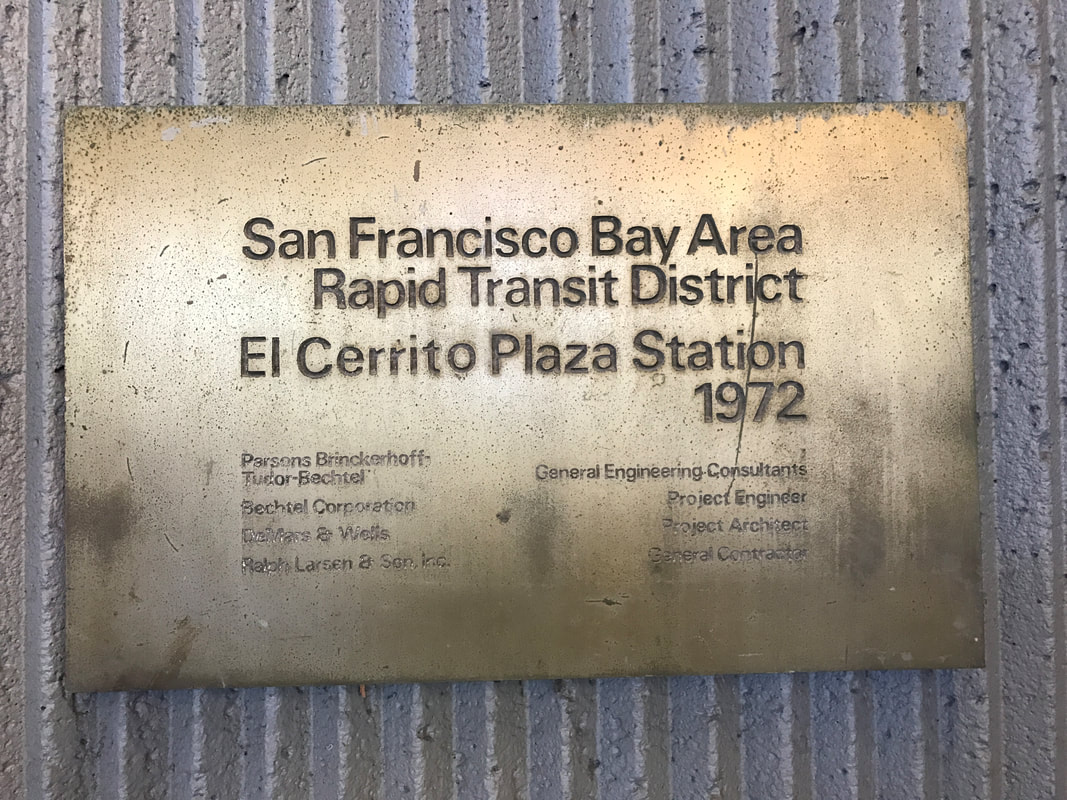
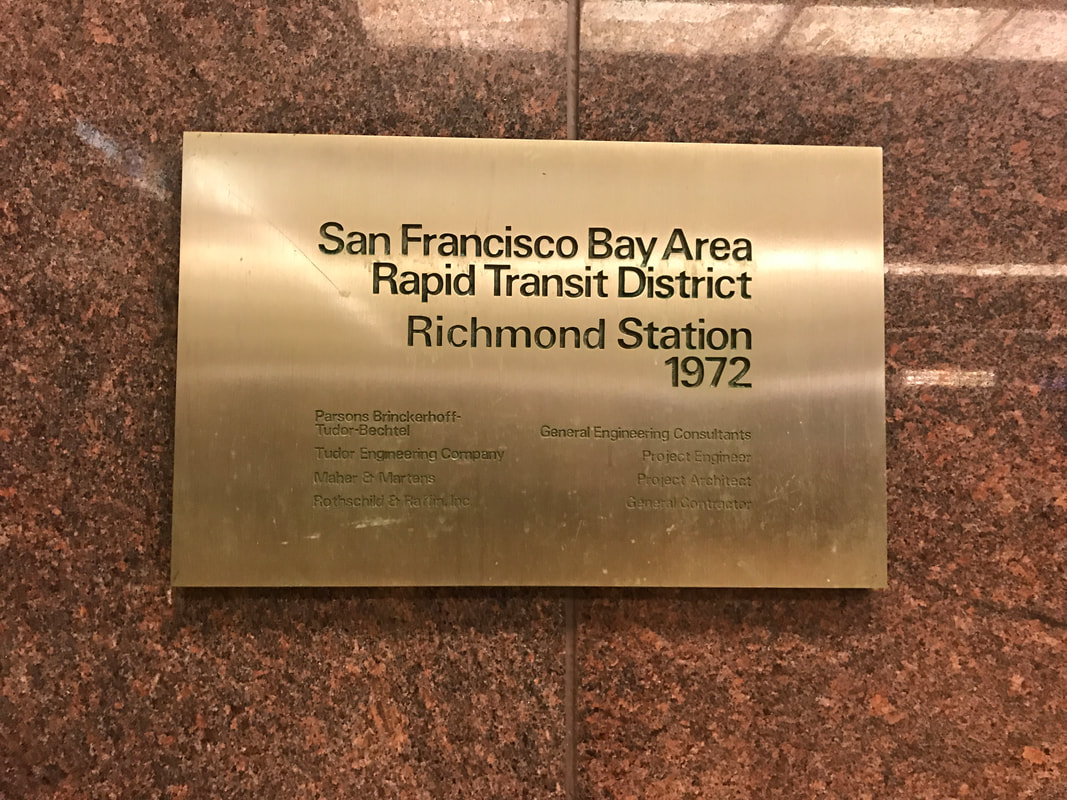
Fifty years ago today (1/29/1973), the R line (MacArthur to Richmond) opened for revenue service. Here are some pictures of the line around the time it opened, and some pictures of the station plaques and art.
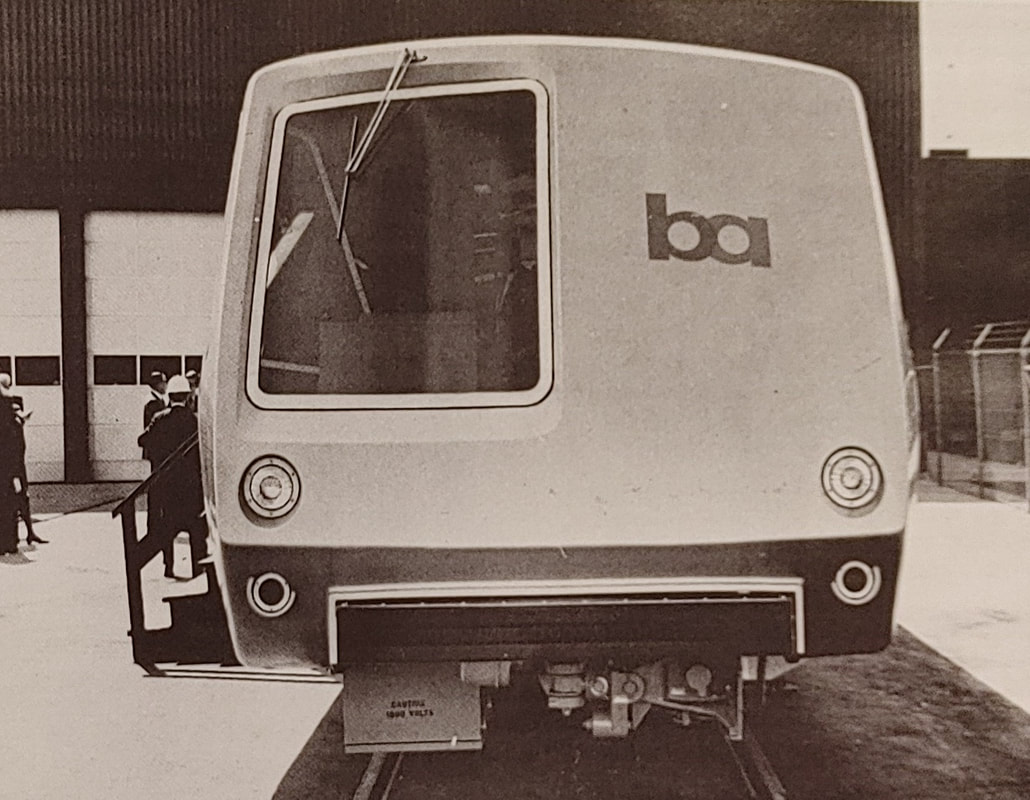
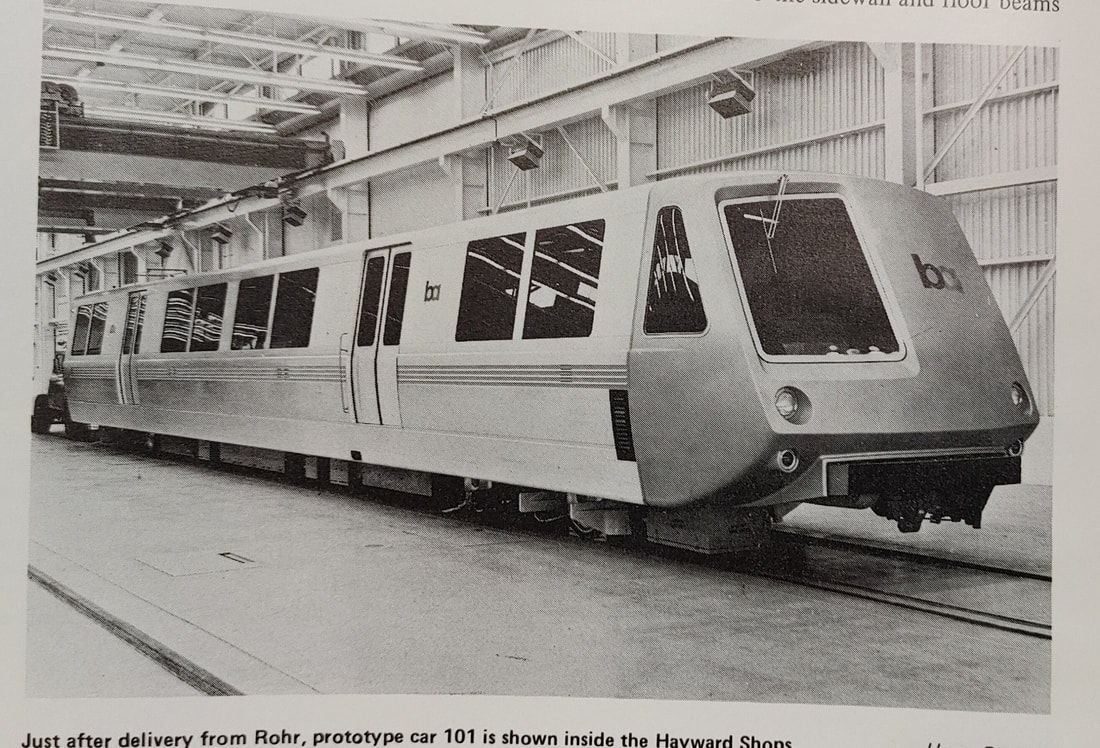
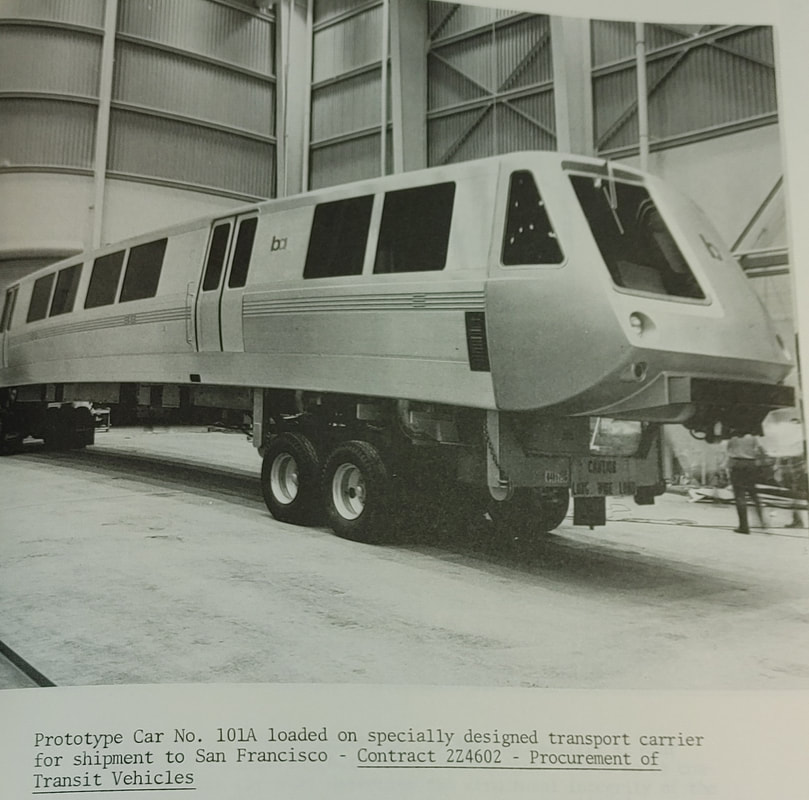
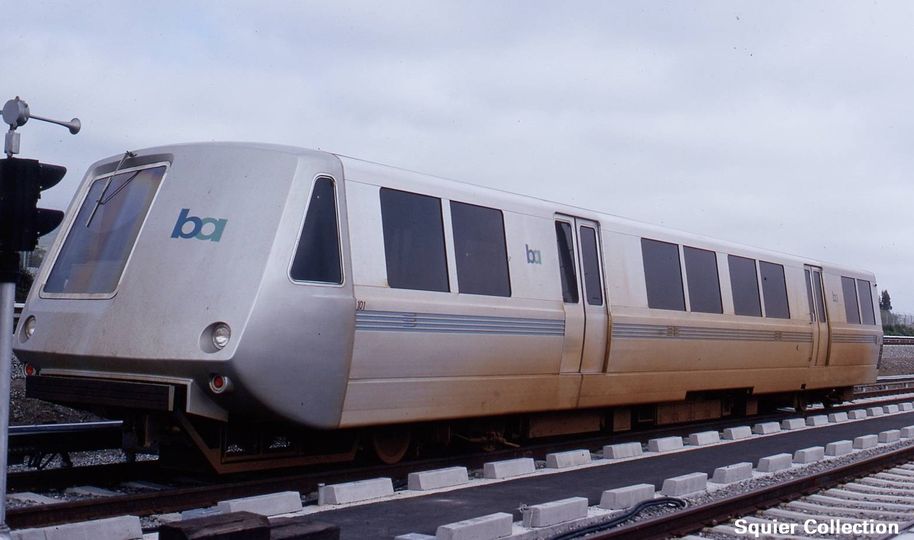
This was the second segment of the BART system to open, after the A and K lines (MacArthur to Fremont) on September 11, 1972. Photo gallery: click on the thumbnails to view the full size images. The first car delivered by Rohr was A car 101, a prototype car used to identify and resolve various bugs with the new cars' construction and simulated operation. The 101 rolled out of Chula Vista (on a trailer) and was delivered to Hayward Shops on 8/27/1970. Unique among the fleet, the cab of 101 was painted grey/silver - other protoype cars had different colors of cabs. For about a month, A car 101 was the only Rohr car delivered, so there are a few pics of this single car rolling down the A line (attached). Like most of the protoype cars, the 101 was returned to Rohr (c. 6/1972) and scrapped. From what I recall reading, Rohr decided it was not worth the effort to rebuild these A cars, and replaced them with new A cars (A car 101 II -> B car 821 -> B2 car 1821 in this case).
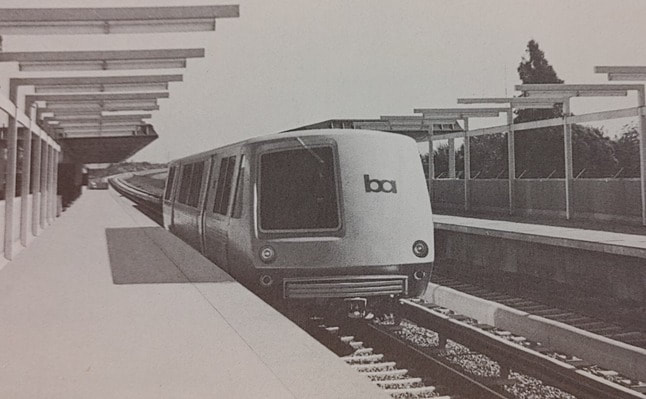
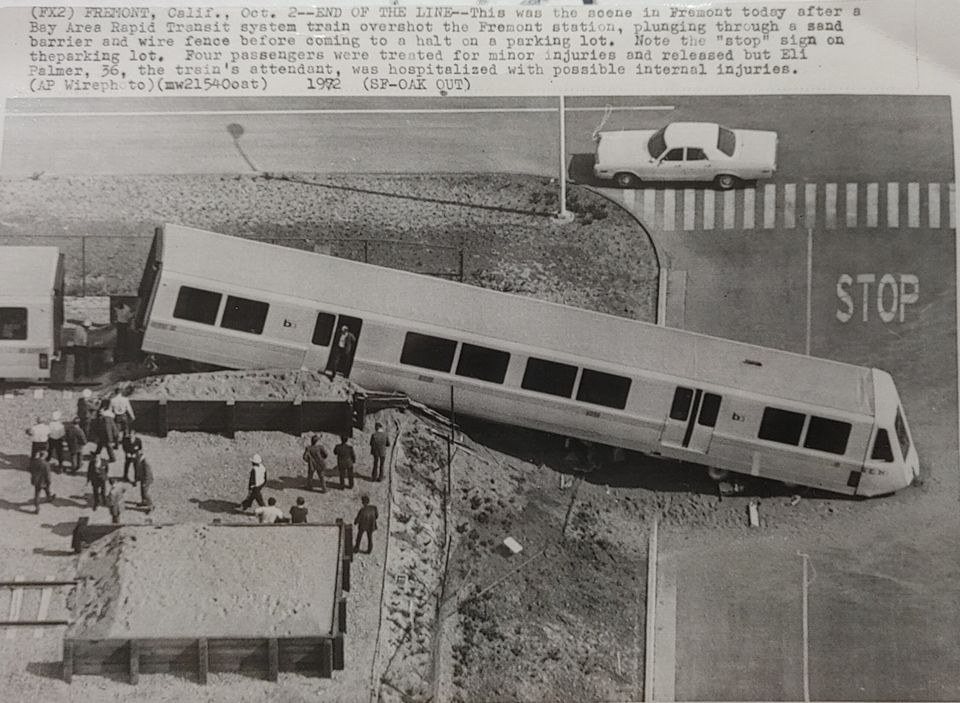
At about 10:15 AM, Monday, October 2, 1972, Train 307 from MacArthur, with brand new A car 143 leading and "Day 1 veteran" A car 118 trailing, overshot Fremont station and plowed into the parking lot, injuring four passengers and the train attendant. Fortunately, Washington Hospital is next door to Fremont station so the response was timely. This accident was attributed to a faulty 27 mph crystal oscillator on a printed circuit board, which instead of signaling the train to slow down to 27 mph, sped it up to almost 70 mph (66 mph when at A85 gate C). The train attendant did all that was possible to stop the train, but even then, the braking was inadequate; the train was speeding through the center of platform 2 at 42-50 mph and impacted the sandpile at about 26-33 mph (sources debate speeds), landing in the parking lot. The accident brought national attention to the safety of BART, alongside significant changes to carborne ATC equipment alongside changes at Fremont station. A car 143 never carried another rider but it found a new life as a B car. It was converted into B car 826 by Hayward Shop forces by the end of 1981, and rolled again, this time as a standard B car. As part of the A and B car rebuilding during the turn of the century, B car 826 was rebuilt and renumbered into B2 car 1826. As of August 2022, it is assigned to Concord yard and can be seen in the middle of Yellow line trains, from time to time. A keen eye may recognize a few scars from its ill-fated trip a half century ago. B2 car 1826, in my opinion, has earned a place as one of the most historical transit vehicles in history.
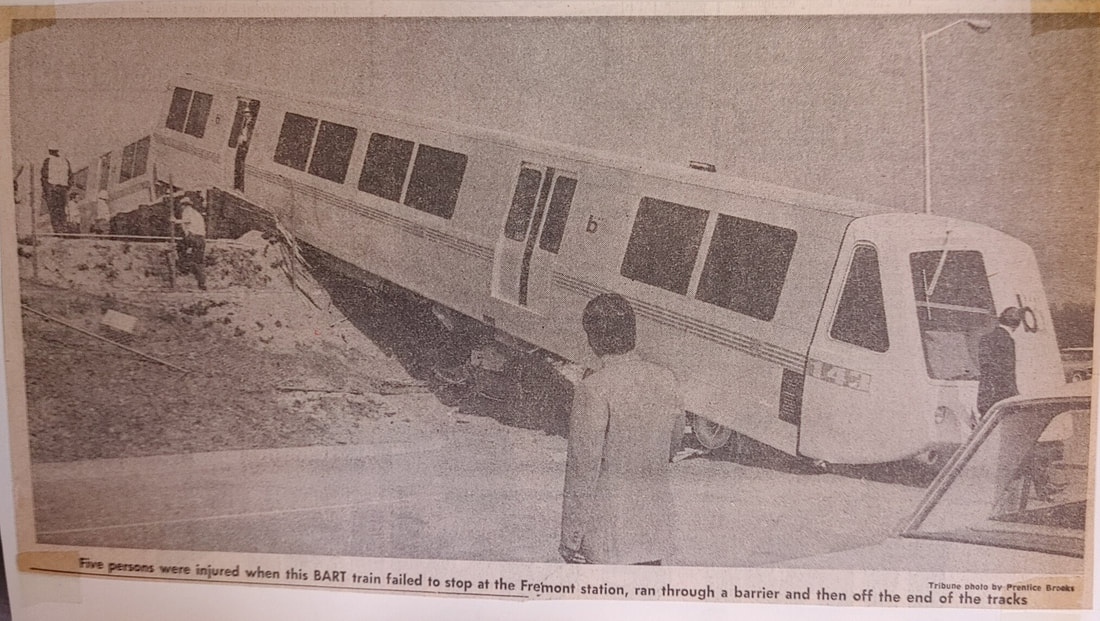
Photo credits belong to the Prelinger Library (Therkelsen clippings) and Western Railway Museum, and a private collection. |
About
"The Two Bagger" is meant to be a place to store more "blog" style posts on various cars, pictures, and random tidbits/trivia. At BART, a "two bagger" is a rather informal name for a two car train. Two car trains rolled in revenue service back in 1972. Archives
October 2025
Categories
All
|


RSS Feed